What Actually Drives Carpet Drying Cost
Before any pricing makes sense, you need to understand what a restoration crew is really being paid to do. Drying wet carpet is not about running a box fan for two days. It is a controlled process of extraction, structural drying, monitoring, and documentation that has to meet IICRC S500 standards if your insurance carrier is going to reimburse the work. The first phase is water extraction, which is usually billed by square foot and by the volume of water removed. The second phase is structural drying with commercial air movers and low-grain refrigerant dehumidifiers, billed daily per piece of equipment. The third phase is moisture monitoring, where a technician returns each day with a penetrating meter to confirm the carpet, pad, and subfloor are actually trending toward dry.
The category of water changes everything. Clean water from a supply line or rainwater intrusion (Category 1) can often be dried in place if we get to it inside 24 hours. Grey water from a washing machine, dishwasher, or aquarium (Category 2) usually requires pad removal and antimicrobial treatment. Black water from a sewage backup or storm flooding (Category 3) means the carpet itself is non-salvageable per IICRC protocol, and the conversation shifts from drying to demolition and replacement. If you are dealing with a contaminated source, our sewage backup cleanup guide walks through why drying is not the right answer for Cat 3 losses.
There is also a hidden cost layer most homeowners do not anticipate: the labor and time required for proper documentation. Rocky Ripple Water Restoration technicians log daily moisture readings, photograph affected areas, map the loss with sketching software, and produce drying logs that satisfy adjusters and third party reviewers like Xactimate auditors. That paperwork is not optional padding on the invoice. It is the difference between a claim that pays cleanly and one that gets kicked back for insufficient justification. When you compare a quote that looks suspiciously cheap against one priced in the middle of our table, the gap is almost always documentation, equipment quality, and the credentialing of the technicians on site.
Carpet Water Damage Drying Cost in Rocky Ripple: Full Comparison
The table below reflects what Rocky Ripple homeowners typically see on real invoices, based on the work Rocky Ripple Water Restoration performs across Central Indiana. These are ranges, not promises, because every loss has variables. But the spread will give you a realistic frame for what to expect when the adjuster asks for a scope or you decide to pay out of pocket.
| Scenario | Affected Area | Water Category | Pad Status | Equipment Days | Typical Cost Range |
|---|---|---|---|---|---|
| Small room, fast response | 100 to 200 sq ft | Cat 1 (clean) | Dried in place | 2 to 3 days | $450 to $900 |
| Bedroom, overnight leak | 200 to 400 sq ft | Cat 1 (clean) | Partial pad replace | 3 to 4 days | $900 to $1,700 |
| Living room, appliance leak | 300 to 500 sq ft | Cat 2 (grey) | Full pad replace | 3 to 5 days | $1,400 to $2,800 |
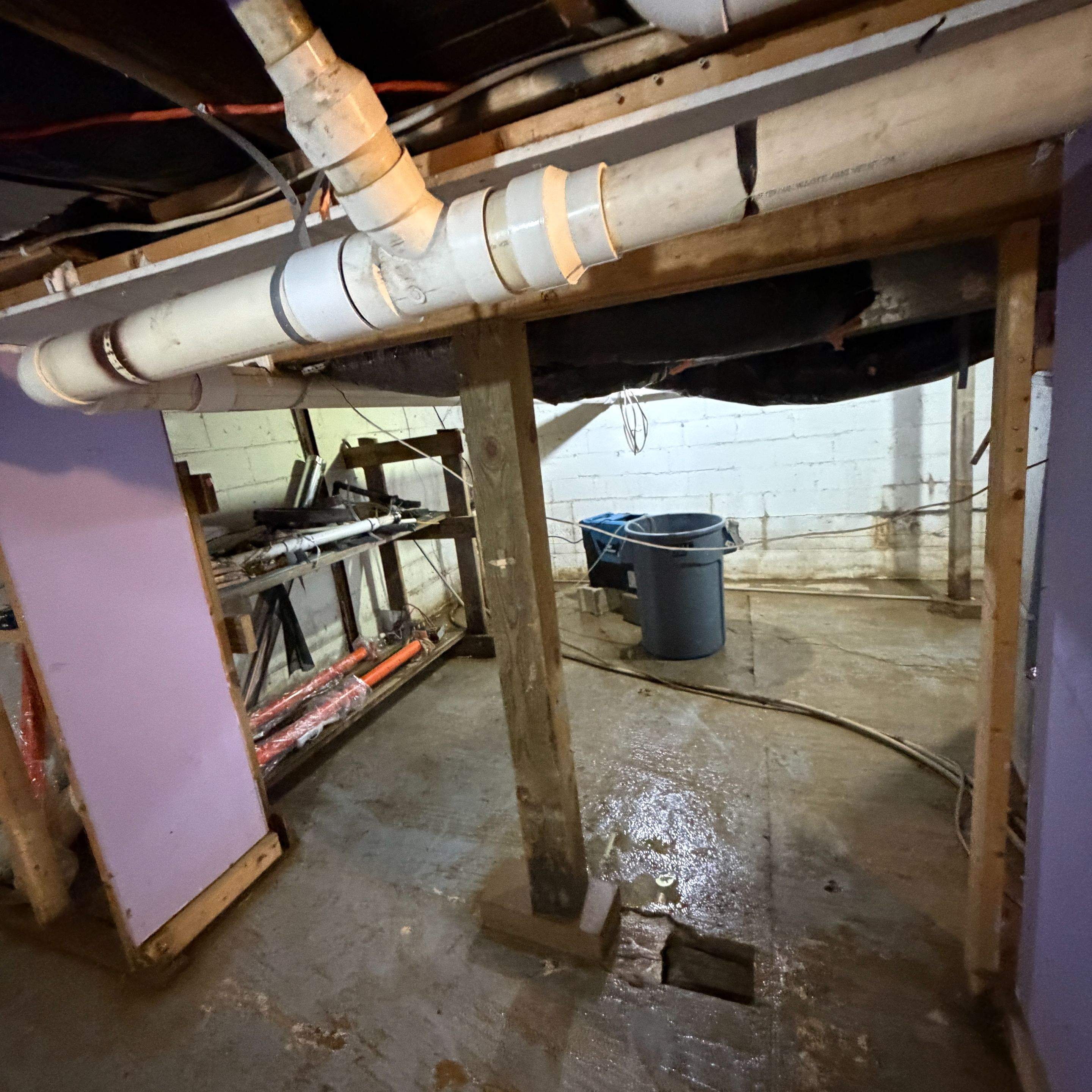
| Finished basement, sump failure | 600 to 1,000 sq ft | Cat 2 (grey) | Full pad replace | 4 to 6 days | $2,500 to $5,500 |
| Multi-room, prolonged leak | 800 to 1,500 sq ft | Cat 2 (grey) | Full pad + subfloor | 5 to 7 days | $4,000 to $8,500 |
| Sewage backup | Any size | Cat 3 (black) | Carpet removed | 4 to 6 days | $3,500 to $9,000+ |
| Storm flood, ground water | Any size | Cat 3 (black) | Carpet removed | 5 to 8 days | $4,500 to $12,000+ |
Reading the Table Honestly
The numbers in the top half of that table assume you called within hours of discovering the damage. Every additional 12 hours water sits on carpet pushes the job toward the next row down. A clean water spill that becomes a 48-hour grey water situation does not stay a $700 job. It becomes a $2,000 job because the pad has to come out, antimicrobial has to be applied, and the subfloor needs extended drying. This is why same day response matters financially, not just emotionally. We cover the response timeline in detail in our same day water damage service overview.
Notice also the gap between Cat 2 and Cat 3. When a job crosses into Category 3, the carpet itself is no longer the cost driver. Demolition, disposal, decontamination, and replacement flooring are. Insurance treatment changes too. Most homeowner policies cover sudden and accidental Cat 1 and Cat 2 losses without much friction. Cat 3 from a sewer line or storm surge may require a separate rider or sewer backup endorsement, which is worth checking before you file. For the broader pricing picture across a whole water loss, our water damage restoration cost breakdown shows where carpet sits inside a full claim.
One more thing the table does not capture. Hardwood and engineered floors under or adjacent to wet carpet often suffer collateral damage that is not visible for several days. If your carpet meets hardwood at a transition strip, expect the moisture meter to find elevated readings in the wood for a foot or more in either direction. That is normal, and it is why we monitor for three to five days minimum rather than pulling equipment at 48 hours and hoping for the best.
What Pushes a Job Above the Range
Every estimate in the table assumes a relatively standard Rocky Ripple home with accessible rooms, eight foot ceilings, and a single level of affected flooring. The moment any of those assumptions break, costs climb. Carpet installed over a concrete slab with glue down construction takes longer to dry than carpet over plywood subfloor with a standard pad, because the moisture has nowhere to escape downward. Stairs add labor because each tread has to be hand extracted and individually monitored. Furniture that has to be blocked, foam wrapped, or moved into a pod or another room adds content manipulation charges. And if the loss happened in a finished basement with low ceilings, we often need additional dehumidification capacity because the air volume to grain ratio is harder to control. None of these factors are gouging. They are the practical reality of getting a structure back to dry standard, and a transparent estimate from Rocky Ripple Water Restoration will spell each one out as a line item rather than burying it in a lump sum.