Water Damage Restoration in Rocky Ripple With Insurance Documentation
Rocky Ripple Water Restoration delivers water damage restoration across Rocky Ripple with fast, around the clock emergency response when a pipe bursts, a sewer line backs up, or White River storm water finds its way into your basement. Our IICRC certified crews handle the full job, extraction through reconstruction, and coordinate directly with your insurance carrier.
If nobody picks up, we're likely helping another homeowner, and we'll call you back within 15 minutes.


Water emergency in Rocky Ripple? Rocky Ripple Water Restoration dispatches IICRC certified crews 24/7 for water extraction, flooded basement cleanup, burst pipe response, and complete structural drying, with every step documented for your insurance claim. Call (317) 342-7736.
- Services: water damage restoration, basement flooding, sewage cleanup, storm damage
- Service area: Rocky Ripple, Marion County, IN and surrounding areas
- Response time: Same day for Rocky Ripple inquiries; 24/7 emergency service available
- Licensed and insured (License #RC21100059)
- Serving Rocky Ripple, IN since 2018
Schedule Your Free Damage Assessment
Our Rocky Ripple inspection is a room by room walkthrough designed to find every pocket of moisture, not just the obvious wet spots. We measure walls at multiple heights with non penetrating meters, then confirm with penetrating probes through baseboards and trim. We check subfloors, pull insulation in suspect cavities, look behind cabinets and appliances, under sinks, around water heaters and washing machines, and across basement perimeters and slab joints common to older Rocky Ripple foundations. Tools on every job include a thermal imaging camera to map hidden moisture behind finishes, a penetrating moisture meter to confirm readings, and a hygrometer to log ambient temperature and humidity. Thorough mapping is what prevents the most expensive failure in water restoration, the hidden pocket that fuels mold growth thirty days after the visible damage looks dry.
I agree to be contacted by Rocky Ripple Water Restoration regarding my inquiry.
Multi-level water damage is Rocky Ripple's expensive version of the problem: a second floor supply line fails and gravity does the rest. Water in ceilings, walls, and floors on two levels demands systematic extraction and monitored drying, not fans from the hardware store.
Air quality gets managed during drying, not just after. HEPA filtration and air scrubbing keep Rocky Ripple indoor air clean while materials release moisture, which matters most in occupied homes where families keep living through the process.
The difference between a water event and a water disaster in Rocky Ripple is usually the first phone call. Make it early, make it local, and make it to a crew that answers with equipment, not appointments.
Payment Options That Work for You
Insurance settlements rarely arrive on the same day damage happens. Financing bridges the gap so your home gets restored on your timeline.
Pay for your project at a later time, but lock in today's pricing. Ideal for homeowners waiting on insurance settlements.
- No payments for 12 months
- No interest if paid in full
- Lock in current pricing today
Divide your project cost equally across 12 months with zero interest. Most homeowners choose this option for predictable budgeting.
- Equal monthly payments
- 0% interest for 12 months
- Simple, predictable budgeting
Spread your investment over up to 20 years with fixed equal payments. The right choice for larger projects or homeowners who prefer lower monthly amounts.
- Up to 20-year terms available
- Fixed equal payments
- Ideal for larger restoration projects
Subject to credit approval. Ask your project lead for current terms and promotions.
How We Handle Rocky Ripple Water Damage Restoration
Rocky Ripple Water Restoration handles homes and businesses alike, and you get a photo report of the damage to keep.
Water Damage Restoration in Rocky Ripple
Serving Rocky Ripple: full scope residential water damage restoration including extraction, structural drying, and reconstruction for losses from supply line breaks, appliance failures, and storm intrusion. Work follows the IICRC S500 standard.
Learn moreBasement Flooding in Rocky Ripple
For Rocky Ripple addresses, response and restoration for flooded basements from groundwater intrusion, sump pump failure, and storm runoff, including extraction, dehumidification, and contaminated material removal when conditions require it.
Learn moreSewage Cleanup in Rocky Ripple
Serving Rocky Ripple: category 3 sewage cleanup including containment, removal of contaminated porous materials, antimicrobial treatment, and post remediation verification per IICRC S500 and S520 protocols.
Learn moreStorm Damage in Rocky Ripple
In Rocky Ripple, restoration for storm driven water intrusion including wind driven rain entry, flood water removal, and drying of affected structures and contents.
Learn moreCommercial Water Restoration in Rocky Ripple
For Rocky Ripple addresses, water damage restoration for commercial properties including offices, retail, and multi tenant buildings, with extraction, drying, and reconstruction coordinated around business operations.
Learn moreCommercial Flood Damage Cleanup in Rocky Ripple
For Rocky Ripple addresses, cleanup and structural drying for commercial properties impacted by flood water, including documentation built for commercial insurance claims and contaminated material handling.
Learn moreCommercial Sewage Cleanup in Rocky Ripple
Serving Rocky Ripple: commercial sewage cleanup including containment, biohazard handling, removal of contaminated materials, and antimicrobial application to restore the property for safe occupancy.
Learn moreCommercial Mold Remediation in Rocky Ripple
For Rocky Ripple addresses, commercial mold remediation per IICRC S520 including containment, HEPA filtration, removal of affected materials, antimicrobial treatment, and post remediation verification.
Learn moreCommercial Storm Damage in Rocky Ripple
In Rocky Ripple, commercial storm damage restoration for water intrusion events, including emergency stabilization, extraction, drying, and reconstruction of affected interior spaces.
Learn more
Local Expertise, Real Results
Trust in Rocky Ripple is built one dried out basement and one rebuilt kitchen at a time, by the same crew from first call to final walk through.
When a pipe bursts, a sump pump quits, or a storm pushes water into a Rocky Ripple basement, the first hour matters more than any other. Rocky Ripple Water Restoration dispatches a crew within 2 hours, runs the assessment on arrival, and starts extraction the same visit. License #RC21100059, IICRC trained, and the same crew handles the work from mitigation through reconstruction.
Rocky Ripple Water Restoration serves Rocky Ripple homeowners and property owners across Marion County, responding to water emergencies from the Central Canal towpath to the streets off Ripple Road. Our service area covers Rocky Ripple and the surrounding neighborhoods of Broad Ripple, Butler-Tarkington, Meridian-Kessler, Crows Nest, and Wynnedale. We have spent years doing restoration work across Marion County, building a crew of IICRC certified technicians who show up with the equipment and the training to stabilize a loss before it spreads. Every technician on the truck is a experienced technicians on a licensed and insured crew, not a day rate crew, so the person assessing your Rocky Ripple home is the same person accountable for the result.
Our methodology follows the IICRC S500 standard for water damage restoration, the published guideline that defines how Category 1, 2, and 3 losses are assessed, extracted, and dried. When mold is present or likely, we work to the IICRC S520 standard for remediation, including containment, HEPA filtration, and post remediation verification. On a Rocky Ripple job, that means initial moisture mapping with thermal imaging and penetrating meters, controlled extraction sized to the loss, structural drying with monitored air movement and dehumidification, and antimicrobial application when conditions call for it. We confirm materials have reached dry standard before any reconstruction begins, so the rebuild sits on a stable substrate, not on hidden moisture.
Our Promise
Three commitments to every Rocky Ripple homeowner who calls Rocky Ripple Water Restoration. First, fast emergency response, with crews dispatched day or night for active water losses. Second, IICRC certified technicians trained to the S500 standard for water and the S520 standard for mold remediation, so the work matches the published industry rules. Third, a free on site inspection before any work begins, and full insurance coordination if you have an active claim, including documentation built to what most major insurance carriers expect to see.
What Makes Our Rocky Ripple Crew Different
IICRC certified crews, thorough moisture mapping, and clear scope and pricing before work begins on your Rocky Ripple home.
Fast Emergency Dispatch
Water damage compounds by the hour. Drywall wicks, hardwood cups, and Category 1 water can cross into Category 2 once it sits in carpet pad and contacts contaminants. We run a 24/7 emergency line for Rocky Ripple and dispatch crews quickly day or night, with extraction equipment already loaded on the truck.
IICRC S500 Trained Crews
Our technicians are IICRC certified and work to the S500 standard for water damage restoration. In practice, that means proper Category determination, written moisture readings, drying to a verified dry standard, and documentation that holds up with your insurance carrier. It is the difference between a job that closes cleanly and one that resurfaces six months later.
Mitigation Through Rebuild
Most restoration calls in Rocky Ripple need more than drying. They need drywall, flooring, paint, and trim put back. We handle the full scope under one project, so you are not hiring a second contractor after the dehumidifiers come out. One crew, one point of contact, one schedule from first call to final walk through.
Insurance Documentation Built In
We document the loss the way adjusters need to see it: photos and video of every affected area, written moisture maps with meter readings, scope justified per IICRC S500. We coordinate directly with your insurance carrier and your adjuster, so the claim moves through the carrier's process without the back and forth that delays repairs.
Real Jobs. Real Results.
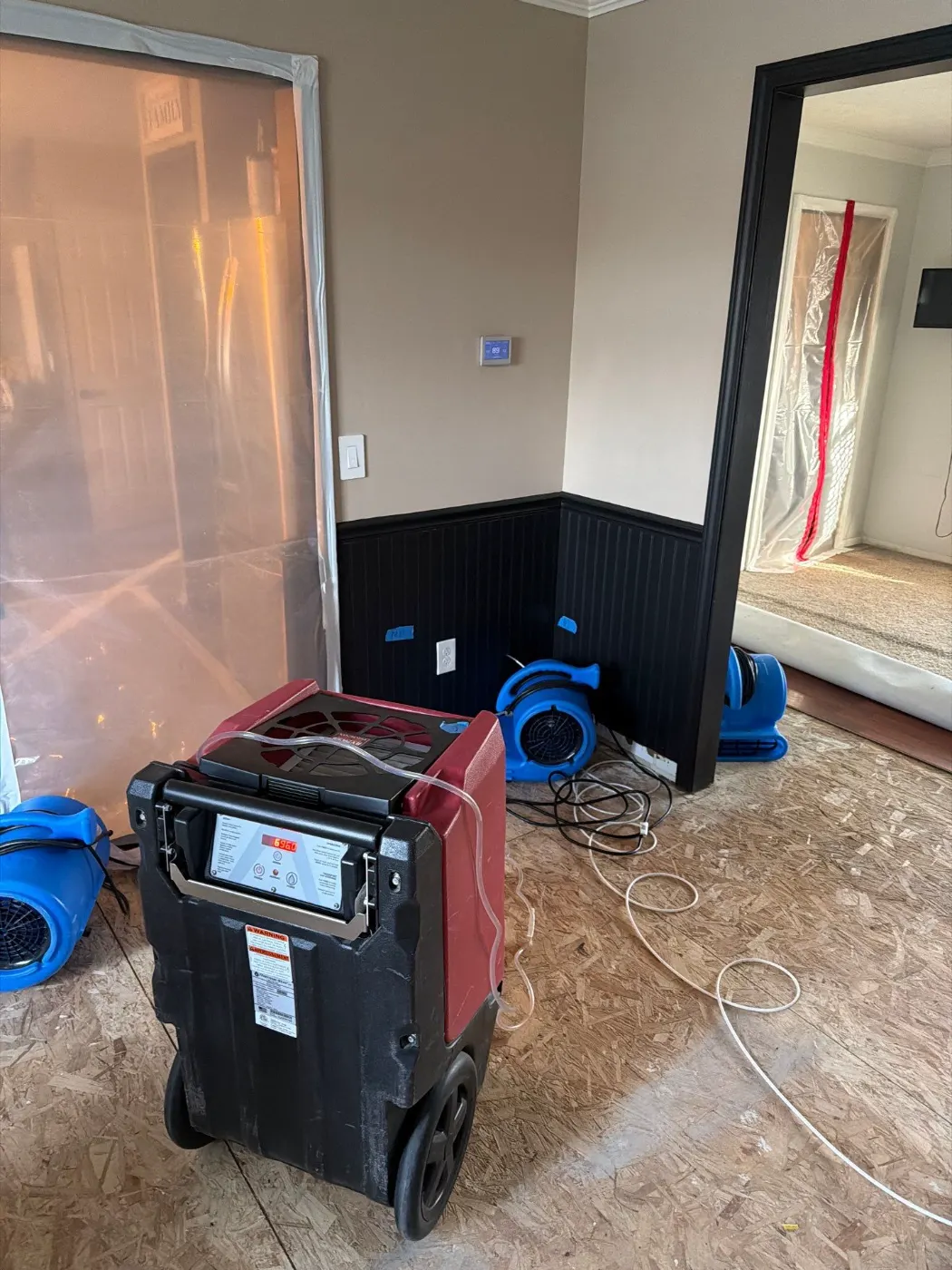
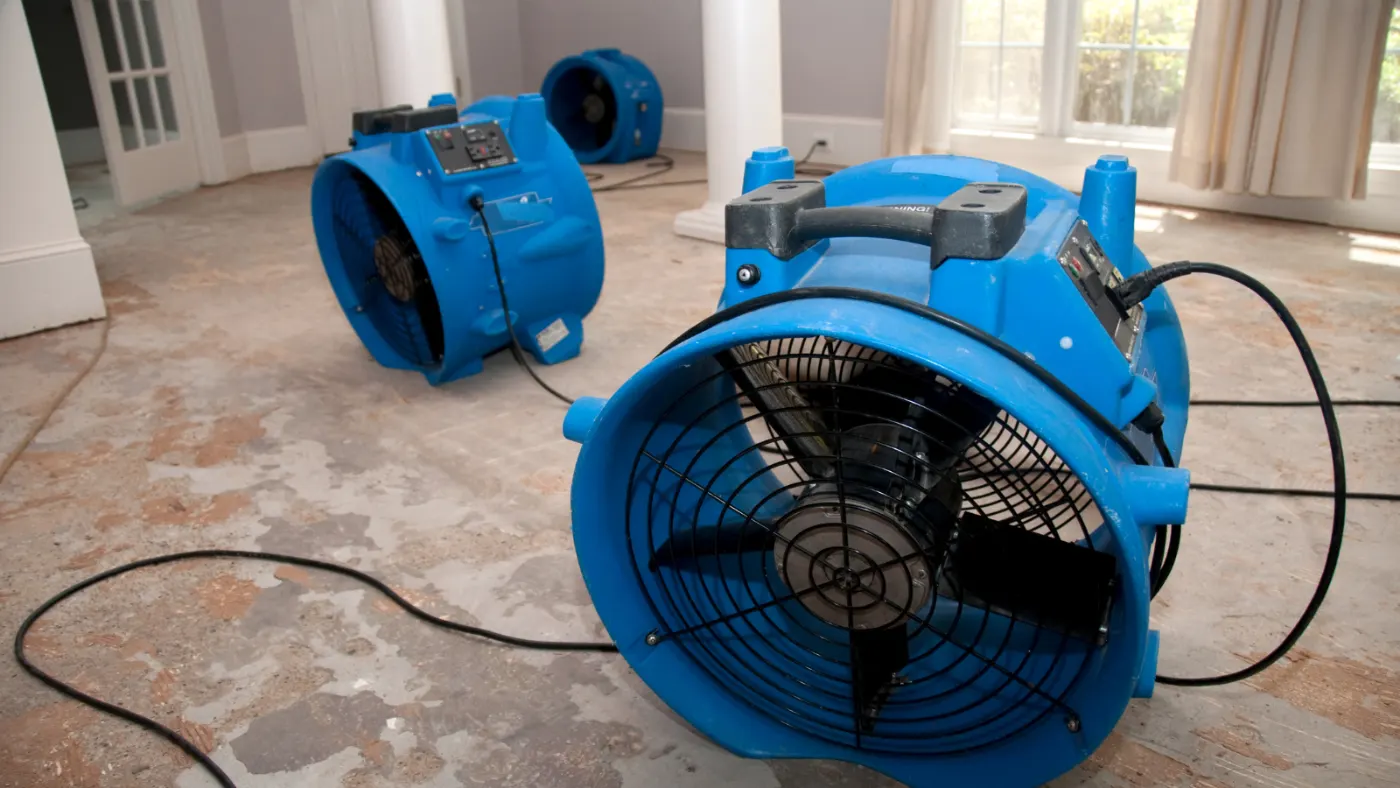
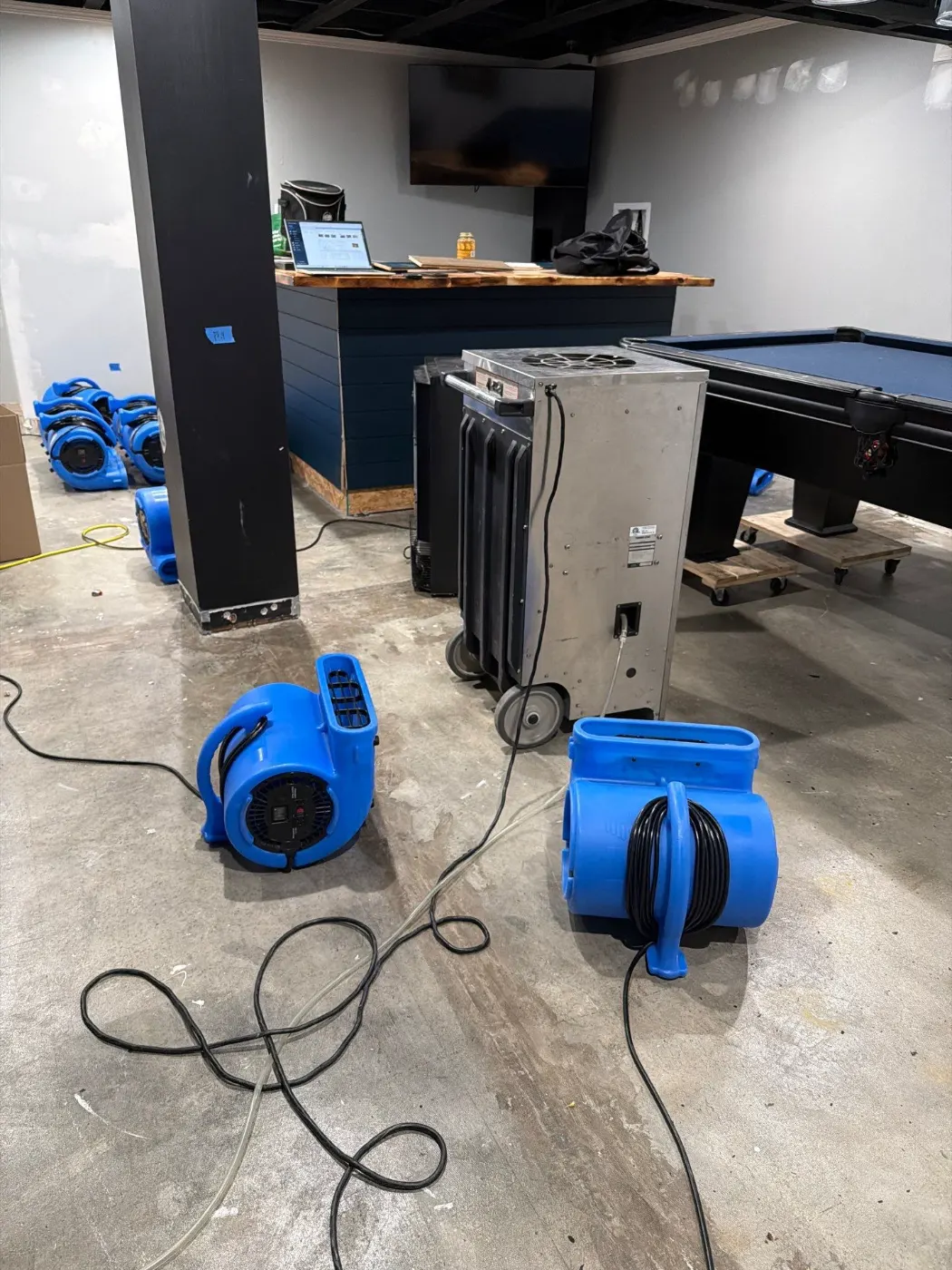
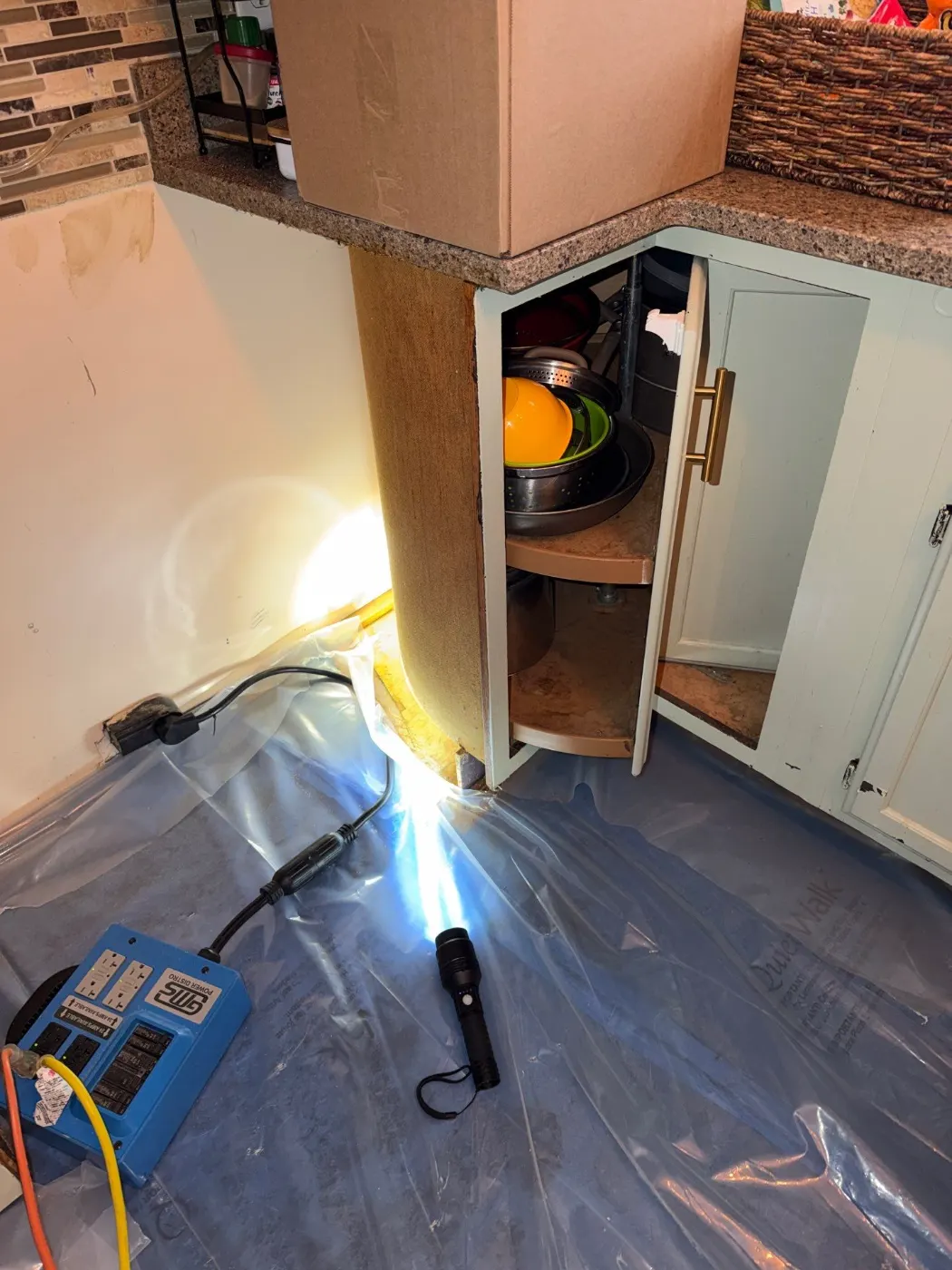
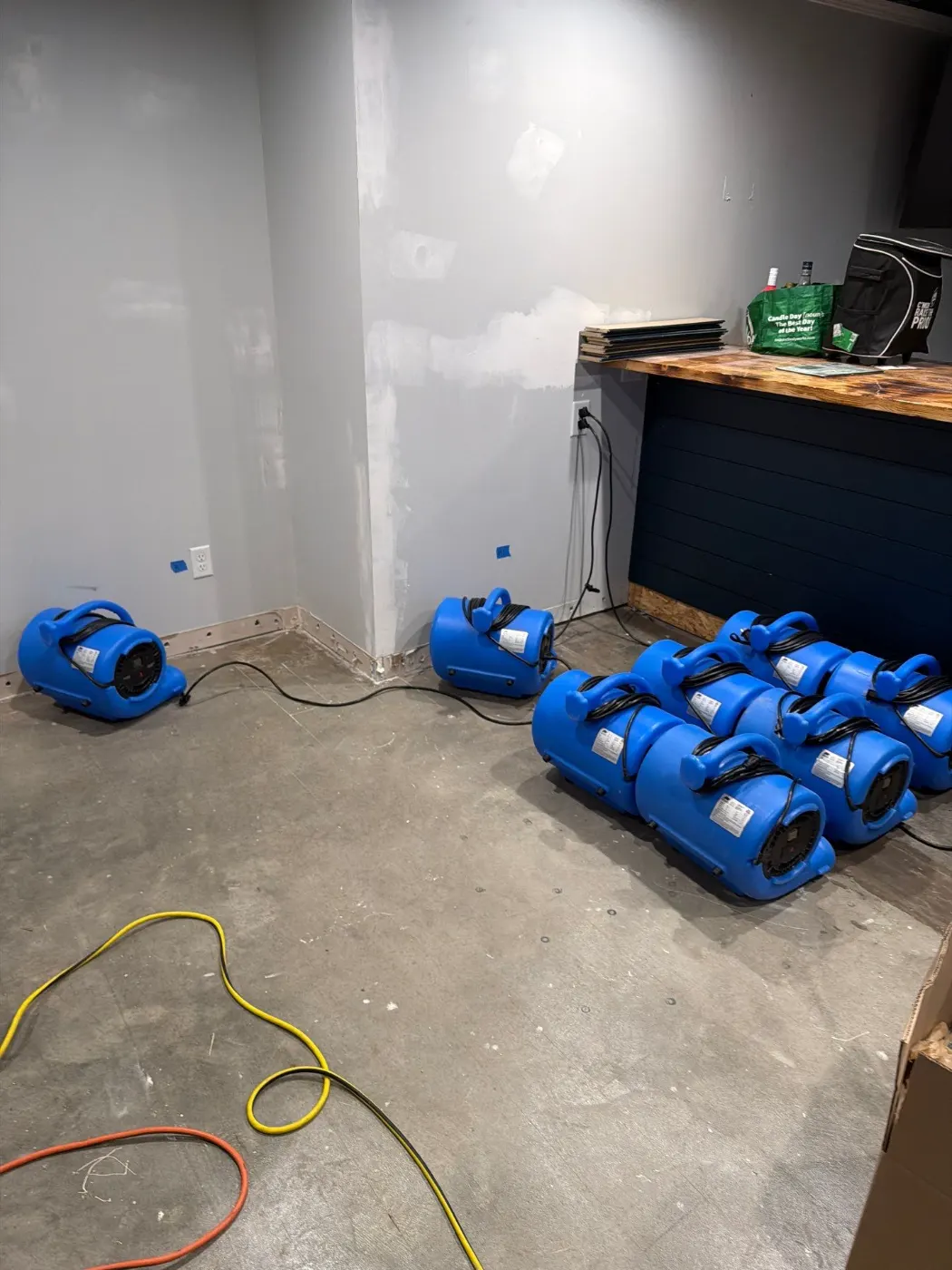
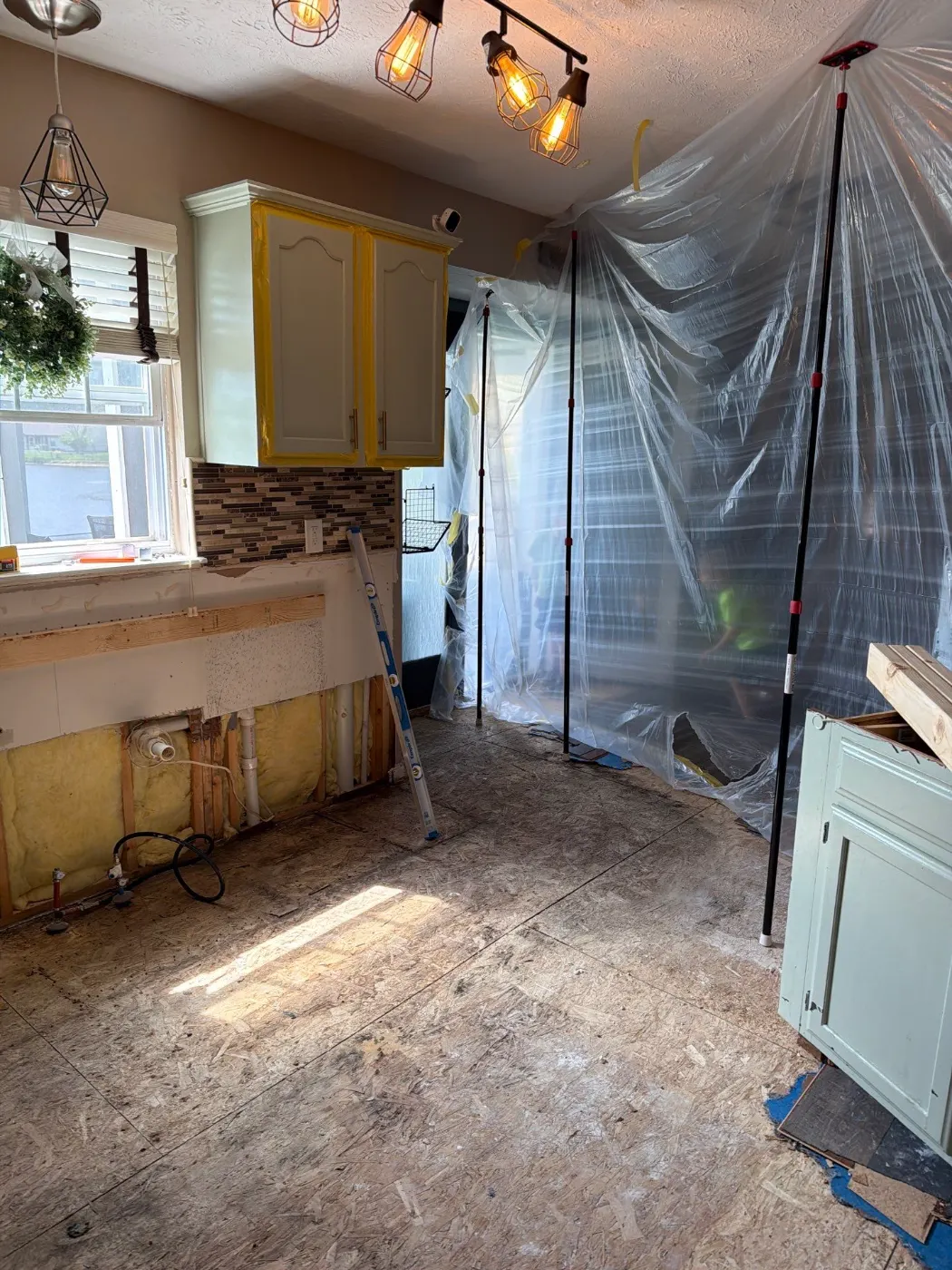
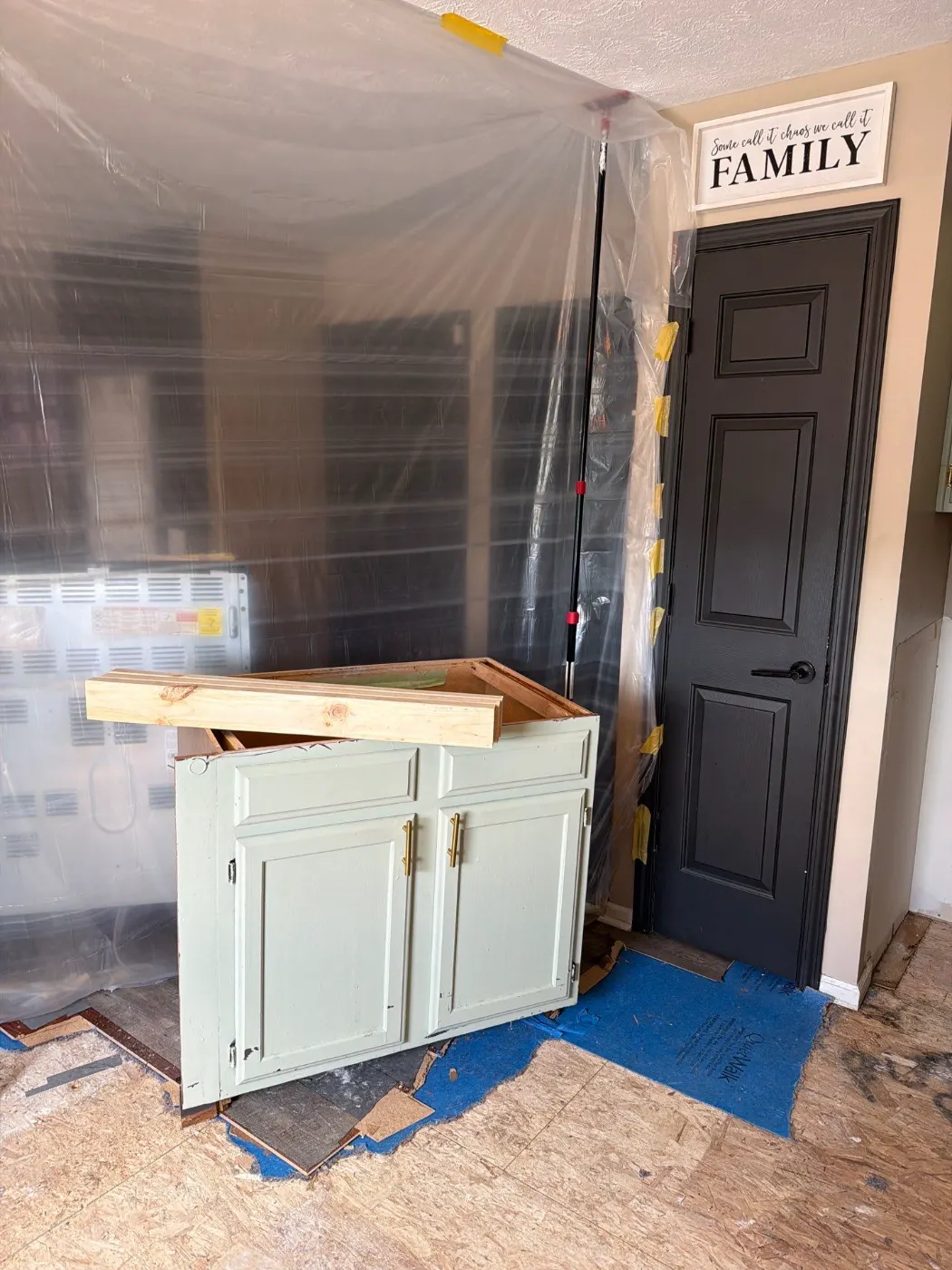
Recent water restoration work from Rocky Ripple and across Marion County, basement extractions, sewage cleanups, drying jobs, and full reconstructions documented through every phase.
How a Rocky Ripple Restoration Comes Together
The first phase on any Rocky Ripple job is moisture assessment and Category determination. A certified technician walks the property with you, identifies the source, broken supply line, appliance failure, sewer backup, or storm intrusion, and uses thermal imaging plus penetrating meters to map where water has traveled. Each affected area is classified as Category 1, 2, or 3 per the IICRC S500 standard, since that classification drives everything that follows, what gets removed, what gets dried in place, what antimicrobial protocol applies. This phase typically takes one to two hours and produces a written scope before any drying equipment is staged.
Phase two is insurance coordination and documentation. Before mitigation begins, we capture photo and video of every affected area, log meter readings into a written moisture map, and contact your insurance adjuster directly to align scope with coverage. Mitigation steps are justified against IICRC S500 so the carrier sees the same reasoning a restoration consultant would apply. Most Rocky Ripple homeowners never have to chase paperwork through this process, we hand the documentation to the carrier in the format they expect and answer adjuster questions as they come up.
Phase three is drying execution and controlled reconstruction. Air movers and dehumidifiers are placed using structural drying calculations sized to the affected materials and square footage, then monitored daily with logged moisture readings until materials reach dry standard, matched to unaffected portions of the same structure. Controlled demolition happens only where materials cannot be dried in place. Once readings confirm the structure is dry, reconstruction begins, drywall, insulation, flooring, paint, trim, and finish carpentry, so the home returns to pre loss condition under one continuous project.
Rapid On Site Dispatch
Our 24/7 emergency line routes Rocky Ripple calls to a certified lead technician with extraction gear already on the truck. The first hour focuses on stopping spread, isolating the source if safe, extracting standing water, and protecting unaffected rooms with plastic containment.
Category Determination
Per IICRC S500, every loss is classified Category 1, 2, or 3 based on water source and contact time. A written assessment with logged meter readings becomes the basis for scope, materials kept versus removed, and the antimicrobial protocol applied.
Insurance Coordination
We work with your insurance carrier from the first day, scope justified per S500, photos and moisture logs delivered as the loss is documented. Invoicing stays transparent. We do not works with your insurance carrier, but we hand your adjuster everything needed to process the claim cleanly.
Dry Standard Verification
Drying continues until materials match the moisture content of unaffected portions of the same structure, not until the schedule says stop. Daily readings are logged, dehumidifiers and air movers adjusted, and reconstruction begins only after the structure verifies dry.
The Most Frequent Rocky Ripple Water Emergencies
Rocky Ripple homes typically call us about these six water damage scenarios.
Vacant Property Freeze
Heat turned down to save money is the usual starting point. Set it too low, or lose a furnace with nobody there to notice, and the pipes in the exterior walls freeze on the first hard night. By the time a realtor opens the door, ceilings are on the floor.
Water Heater Tank Failure
Set a heater without a drain pan, or pipe the pan to nowhere, and a contained failure becomes a Category 1 loss across the whole floor. We extract, map the moisture under the adjacent flooring, and dry the wall base before the trim swells.
Fire Sprinkler Discharge
Freeze is the most common accidental discharge we see, usually in an unheated stairwell, attic, or unconditioned storage room. The head splits, the system charges it, and the building takes the flow until somebody closes the valve.
Sink Drain and P-Trap Leaks
Drain water carries food waste, soap, and whatever went down the sink, which pushes it out of the clean category under IICRC S500. Porous cabinet material that soaked it up generally comes out instead of getting dried in place.
Appliance Failures
Water heaters typically last 8 to 12 years. Rocky Ripple homeowners with heaters past that age are running on borrowed time. When the tank fails, it can release 50 gallons or more into the surrounding area.
Roof Leak Reaching the Ceiling
A ceiling that bulges is holding water above it, and standing under it to poke a hole is how people get hurt. We relieve it in a controlled way, extract what comes down, and pull the soaked insulation, because insulation that has been saturated does not dry in place.
Found Water in Your Rocky Ripple Home? What to Do First
Water spreads into floors and walls the longer it sits, so a few quick steps in the first hour keep the job smaller. Work down this list in order, and call us at any point if something feels unsafe.
1. Stop the source
For a toilet or a washing machine, close the small shutoff valve behind it. If the leak is bigger, or you can't tell where it starts, close the main valve for the whole house and leave it off until our crew checks the source.
2. Watch the ceiling
If water is coming through a ceiling, keep people out of the room below. A ceiling that sags or bulges can hold a lot of water, and the light fixtures in it may be wet, so turn those circuits off at the panel if you can do it safely.
3. Treat sewage water with care
Water from a sewer backup can carry bacteria, so avoid touching it with bare skin. Close the door to the affected room if you can, and keep everyone on a dry floor until the crew arrives with protective gear.
4. Move what you can't replace
Carry keepsakes and important papers to a dry room upstairs. Then pick up anything sitting on a wet floor, starting with cardboard boxes and anything made of paper, since those soak up water quickly.
5. Pull up rugs and mats
Wet area rugs and bath mats hold water against the floor. Roll them up and move them to a garage or a dry room, and set any furniture that stays behind on foil squares to keep stains off the carpet.
6. Hold off on tearing anything out
Leave soaked drywall and flooring in place until our crew has measured it. Some materials dry where they are, and the readings tell us which ones can stay, so early demolition can mean replacing things that could have been saved.
7. Soak up clean water
If the water came from a supply line or the water heater, you can blot it with towels and mop the floor. A wet and dry shop vac works for clean water too. Leave any water from a sewer or a floor drain for the crew.
8. Have a few details ready
It helps to know roughly when the water started and whether it's clean water from a pipe or dirty water from a drain. If you're unsure about either one, the crew sorts it out on site.
If you only get through the first two steps before help arrives, that's fine, since the water source and your safety come first. Call us when you're ready and we'll take it from there.
Three Simple Steps
The steps below are the same on every job, and the crew explains each one before it starts.
First Contact
Everything from extraction to containment is already staged. The first hour does more good than the next ten.
Assess, Map, Document
Getting this right is cheaper than getting it fast. Suspect cavities get opened only after the meters justify it.
Drying to Standard
The log is yours at closeout. Daily monitoring runs until dry standard is verified, most Rocky Ripple jobs in 3 to 5 days.
What You'll See in Your Water Damage Photo Report
The photo report is the record of your water loss. Our crew photographs every affected room and logs moisture readings as the work goes. Then we walk you through what we found, so you understand your home before you make any decisions.
The starting point
Every report opens with the starting point of the leak, photographed before anything is moved. Water that came from outside, like a window well or a storm, gets noted the same way, with photos of where it got in.
How far the water traveled
Water moves under flooring and up into drywall farther than it looks from the doorway. The crew checks walls and floors with moisture meters, and the report marks which areas read wet and which read dry.
Pictures from start to finish
Photos go into the report at each stage of the job, starting with the damage the crew found when they first walked in. By the end, you have a visual history of the room from wet to dry.
What has to be removed
When a material is too wet to save, the report says so and shows the readings and photos that back it up. You'll know the reason for every cut before the crew makes it.
Updates as the work goes
Drying takes several days in most homes, and the report grows the whole time. New readings and photos get added on each visit, so you always know where things stand in each room.
We walk you through it
Once the first readings are in, we sit down with you and go through the report in plain language. You can see what's going on inside your walls from your living room and ask about anything that doesn't make sense.
Sharing the report
The report is yours to share with anyone you choose. We document damage with a photo report and walk you through what we found, so you can decide with your insurance company, and your own policy spells out what it covers.
Want to know what the crew will capture in your Rocky Ripple home? Ask when you call, and we'll describe the photo report before anyone arrives.
Questions Worth Asking Before Work Starts in Rocky Ripple
Ask any restoration company in Rocky Ripple these questions before you sign a work authorization.
What happens if you find mold?
Ask how mold behind walls or under floors gets handled, and whether that work is priced apart from the drying.
Who handles repairs after drying?
Ask who replaces drywall, flooring, paint and trim once the structure is dry, and whether one company can do both stages.
Who will be working in my home?
Ask whether the crew works for the company you called or for a subcontractor, and who's in charge on site each day.
How will you show me it's dry?
Ask for moisture readings on the first visit and the last one, so you can see the numbers reach dry standard.
Can I see an itemized estimate?
Ask for every line item in writing. Many insurers price water losses in Xactimate, so an estimate in that format is easier for an adjuster to review.
Does my policy require a certain company?
Ask your adjuster before you sign anything, and read the work authorization so you know what you're agreeing to.
Indiana Weather Drives Restoration Calls Year Round
Indiana weather drives most of the water damage calls we take in Rocky Ripple. Spring rains saturate ground already pressed by the White River and Central Canal, summer thunderstorms overwhelm drainage and back up sanitary lines, and winter freeze thaw cycles burst aging supply lines in walls and crawl spaces.
Spring Saturation Flooding
Indiana spring rains sit on already saturated ground, and Rocky Ripple's position between the White River and the Central Canal means hydrostatic pressure pushes water through foundation walls and slab joints. Sump pumps run continuously and fail under load. When called in, we extract, set dehumidification, and dry the foundation perimeter before mold takes hold.
Winter Pipe Bursts
Indiana freeze thaw cycles are brutal on aging supply lines, and a 2 AM burst in an unheated wall cavity can dump hundreds of gallons before anyone notices. Cold weather bursts often release Category 1 water that crosses categories as it sits. We dispatch quickly, extract, and stage drying before the loss spreads into adjacent rooms.
Summer Humidity and Mold
Marion County summer humidity keeps basements and lower levels at elevated moisture even without a visible leak, and small unaddressed water events from spring can colonize through July. For Rocky Ripple homes with basement intrusion history, we run dehumidification, address the source, and remediate per IICRC S520 when growth is found.
Severe Thunderstorm Backup
Heavy summer storms overwhelm interior stormwater drainage and sanitary lines across the area, and Rocky Ripple homes can see both basement flooding and sewer backup in the same event. Category 3 water requires containment, contaminated material removal, antimicrobial application, and verification before any reconstruction begins.
Where We Work in Rocky Ripple
If you live in one of these Rocky Ripple neighborhoods, open it to see what we keep in mind about homes there.
Where we respond near Rocky Ripple
The towns below sit closest to Rocky Ripple, and calls from them go to the same dispatch line.
Local Conditions That Drive Rocky Ripple Water Losses
The housing stock, the weather, and the failure points we see here.
About Rocky Ripple Homes
Rocky Ripple's housing stock is dominated by homes built between 1910 and the mid-20th century, with the earliest cottages converted from summer camp structures into permanent residences after the 1927 incorporation and a significant construction wave in the 1930s,1960s era. Homes of this vintage typically contain galvanized steel supply plumbing (pre-1950s builds) and early copper installations (1950s,1970s), both of which are well past expected service life and prone to corrosion related failures. The housing mix includes turn of the century cottages, Craftsman bungalows, American Foursquare, Cape Cod, ranch, and split level styles built across several decades, many of which feature full basements common to Midwest construction of this era. Given the town's low lying position between the White River and the Central Canal, basement flooding and crawl space moisture intrusion are persistent structural concerns, and sump pump reliance is widespread.
Where We Work in Rocky Ripple
We cover homeowners across Rocky Ripple near Hohlt Park (Burkhardt Community Garden), Wahpihani Park, Rocky Ripple Town Hall (930 W. 54th Street), Central Canal towpath, White River, Butler University athletic fields, Veterans Memorial at 53rd St. and Byram Ave., Ripple Road.
Surrounding Areas We Serve
Our crew also covers Broad Ripple, Butler-Tarkington, Meridian-Kessler, North Butler-Tarkington, Crows Nest, Wynnedale.
Recent Weather Patterns
Rocky Ripple has a deep rooted and ongoing history of White River flooding dating back to its earliest settlement; significant flood events struck in 2002 and 2003, prompting the Town Council to formally request re inclusion in a federal flood barrier project in 2004. As recently as 2025, residents reported extreme flooding from heavy rains causing rising water levels in the Central Canal with leakage crossing town roads, and as of 2022 the town was still pursuing a FEMA-accredited floodwall project to provide 100 year flood protection.
What Our Crew Sees in Rocky Ripple
Rocky Ripple is sandwiched between the White River on its west and north and the Central Canal on its southeast, placing virtually all of its more than 300 homes within or immediately adjacent to the White River's floodplain, a documented and ongoing structural risk. The town's aging housing stock, much of it built in the 1920s,1960s, means original galvanized and early copper supply lines are widespread, elevating the risk of sudden plumbing failures, especially during Indiana's freeze thaw cycles each winter and spring. The interior stormwater drainage system is still being evaluated as part of the ongoing floodwall CLOMR approval process, meaning during heavy rainfall events, gravity drainage outlets can be blocked and stormwater can back up inside the levee protected area, contributing to basement flooding and sewer backup exposure across the town.
The Rocky Ripple Area
Rocky Ripple has a population of approximately 655 residents (2020 Census), with a reported median household income of around $55,625, placing it in a lower to middle income range relative to the broader Indianapolis metro. The household profile skews toward homeowners, with many families and young professionals, including university affiliated residents connected to nearby Butler University.
Inside Water Restoration Work in Rocky Ripple
The three phases of a water loss, and what each one involves.
Emergency Response is the first phase on every Rocky Ripple water loss. Trucks arrive loaded with commercial water extraction equipment, commercial dehumidifiers sized to the affected square footage, professional air movers, penetrating and non penetrating moisture meters, and thermal imaging. Extraction begins promptly once the source is isolated, and structural drying is staged the same day. Daily monitoring follows, with logged readings recorded until materials reach dry standard. The homeowner experience is built around contained work zones, plastic protection over unaffected areas, and clear day by day communication on what equipment stays, what gets repositioned, and when drying is verified complete. This phase covers most Category 1 and Category 2 losses in Rocky Ripple, supply line breaks, appliance overflows, washing machine failures, and water heater leaks where extraction and in place drying restore the structure without removing finishes.
Specialized Containment applies when the loss involves Category 3 water, sewage backup, floodwater from the White River, or stagnant water that has crossed categories, and when full mold remediation per IICRC S520 is required. Containment is built with 6-mil plastic barriers floor to ceiling, entry points sealed, and negative air machines pull contained air through HEPA filtration before exhaust. Technicians work in full PPE, Tyvek suits, N95 or P100 respirators per S520, nitrile gloves, and eye protection. Contaminated porous materials are cut, bagged, and removed for disposal, antimicrobial is applied to remaining structure, and post remediation verification, including air sampling when warranted, confirms the space is safe before reconstruction. This is the phase where IICRC certification matters most. Corner cutting in Category 3 work is what causes the long term health and structural problems homeowners pay for years later.
Reconstruction returns the home to pre loss condition once the structure is verified dry. Scope typically covers drywall hung, taped, mudded, sanded, primed, and painted; flooring replaced or refinished, carpet and pad, luxury vinyl plank, hardwood, tile reset; trim and baseboards reinstalled or replaced; cabinetry repaired or replaced; doors rehung; and finish coordination for electrical and plumbing fixtures disconnected during mitigation. The project runs under one project number from the initial emergency call through the final walk through, with one project manager as the homeowner's point of contact and one schedule covering both phases. Many restoration companies stop after drying and hand the home off to a separate general contractor, leaving two crews, two billing cycles, and weeks of gap while the house sits in demolition. We carry the work straight through to completion.
Day to Day Life While Your Rocky Ripple Home Dries Out
The drying stage is the part of the job you live with, since the air movers and dehumidifiers stay in your home until the readings say the materials are dry. A few simple habits keep the drying on track and the house comfortable.
Expect steady noise
Air movers sound like strong box fans, and dehumidifiers add a low hum. A closed door between a bedroom and the equipment helps at night, and the crew can sometimes angle a unit away from a bedroom wall if the noise carries.
Leave it where the crew set it
Each air mover is aimed at a specific wall or section of floor. Leave the units where they are and keep them running overnight. If one needs to move, call us and the crew will reposition it.
The thermostat setting
Drying moves faster in a warm room, so the crew may ask you to keep the heat at a normal setting even in mild weather. Ask the crew before you turn the heat or the air conditioning way down.
Watch for tripped breakers
With several machines running, a breaker can trip, especially if you plug a hair dryer or a space heater into the same circuit. Reset it, then call us if it keeps happening.
Keep kids and pets clear
Keep children and pets away from the cords and the warm air coming off the machines. If a room is sealed off with plastic, leave the plastic up until the crew takes it down.
What the daily check covers
On each visit the crew takes new moisture readings in the same spots as before and moves or removes equipment based on what the numbers show. Those readings go into your photo report, so you can see the change from one day to the next.
Keeping moisture down
EPA puts it this way: the key to mold control is moisture control. In practice that means drying your home quickly and keeping the humidity down once the equipment is gone.
The last day of drying
On the final visit, the crew takes one more set of readings to confirm the wet areas are dry. Then the equipment comes out and the rooms are ready for any repairs they need.
Questions during the dry out are normal, so call our line and we'll get you an answer from the crew.
Water damage response pricing in Rocky Ripple
Pricing ranges below reflect typical Rocky Ripple water restoration jobs by Category. Every loss is different, so a free inspection determine the final number before any work begins or any equipment goes in.
Rocky Ripple Water Restoration Questions
Read through these, then call us with anything they leave open about your Rocky Ripple home.
Expert Rocky Ripple Restoration Crews Available Now
If water is spreading through your Rocky Ripple home right now, from a burst pipe, a sewer backup, or storm water in the basement, call Rocky Ripple Water Restoration for fast emergency dispatch. Free on site inspection, no obligation, and we coordinate the documentation with your insurance carrier from day one.