What is the very first thing I should do?
Shut the water off at the main valve. In most Rocky Ripple homes that valve sits in the basement, the crawl space, the utility closet, or just inside the garage near the front hose bib. Turn it clockwise until it stops. If you cannot locate the main, shut off the closest fixture valve to the broken pipe. Then kill power to the affected area at the breaker panel if water is anywhere near outlets, light fixtures, or appliances. Water and electricity together can hurt you, and that risk is real even after the leak stops. If you have time before help arrives, move small valuables, electronics, and paper items to a dry room, and lift the legs of upholstered furniture onto foil or plastic so the finish does not bleed into wet carpet.
Do I need to call a plumber or a restoration company first?
Both, but in a specific order. The plumber fixes the broken pipe so water stops entering the home. The restoration company removes the water already inside the structure and dries everything before mold and rot set in. Many homeowners assume that mopping up the visible water means the job is done, but a quick read through our guide on drying your home out yourself after water damage explains why surface drying almost never gets the moisture trapped in wall cavities and subfloors. Call Rocky Ripple Water Restoration as soon as the leak is controlled. Our crew can be on site in most cases within 2 hours. If you cannot reach a plumber right away, controlling the main shutoff is usually enough to hold the situation until both trades arrive.
Will my homeowners insurance cover this?
In most cases, a sudden and accidental burst pipe is covered under standard homeowners policies, including the cleanup and the resulting damage to floors, walls, and personal property. The pipe repair itself sometimes is not covered, and gradual leaks usually are excluded. Document everything with photos and video before you move anything. Save the broken pipe section if possible. Our office can work directly with your adjuster and provide the moisture documentation and scope they need, which usually speeds up the claim. Keep receipts for anything you buy during the emergency, including fans, tarps, and temporary lodging, since most policies reimburse reasonable mitigation expenses.
How fast does damage actually spread?
Faster than most people expect. Drywall starts wicking moisture upward within minutes. Hardwood begins cupping in a few hours. Carpet pad acts like a sponge and pushes water under baseboards and into adjoining rooms. The 48 hour window matters because that is when mold spores start activating on wet organic materials. We cover the science behind that timeline in our piece on how fast mold grows after water damage, and it is the main reason we push for rapid response on every burst pipe call. Cold weather slows the spread slightly, warm humid air speeds it up, and a closed up home with the HVAC off can become a mold incubator in two or three days.
How much of the drywall and flooring will need to be removed?
That depends on how long the water sat, how far it traveled, and what category of water it was. Clean supply line water from a burst copper or PEX line is Category 1 and gives you the best chance of saving materials. We make removal decisions based on moisture readings, not guesswork. Some homeowners are surprised at how much wet material has to come out, but only because dry surface drywall can still hide saturated insulation behind it. Engineered hardwood and laminate rarely survive sustained wetting because the core swells and delaminates, while solid hardwood sometimes recovers with controlled drying and refinishing.
What about the ceiling below the burst pipe?
If the pipe is on a second floor and water came through a ceiling, treat the ceiling as a serious concern. A bulging or sagging area means water is pooling above the drywall, and that load can drop suddenly. Stay out from underneath it. We often relieve the pressure with a small drain hole during our assessment so the ceiling does not collapse during drying. Stained but intact ceilings can sometimes be saved if dried quickly, while saturated drywall almost always needs to come out. Light fixtures and recessed cans in the affected area should be considered compromised until an electrician confirms otherwise, since water tracks along wiring and can pool inside junction boxes.
How do I keep this from happening again?
Most burst pipes in Rocky Ripple trace back to freezing, corrosion, or excessive water pressure. Insulate pipes in unheated spaces, keep cabinet doors open under sinks during cold snaps, and let a faucet drip on the coldest nights. Have a plumber check your pressure regulator if it has been more than a decade since it was replaced, and consider a smart leak detector or automatic shutoff valve on the main line. These devices pay for themselves the first time they catch a problem while you are out of the house.
What does the drying process actually look like?
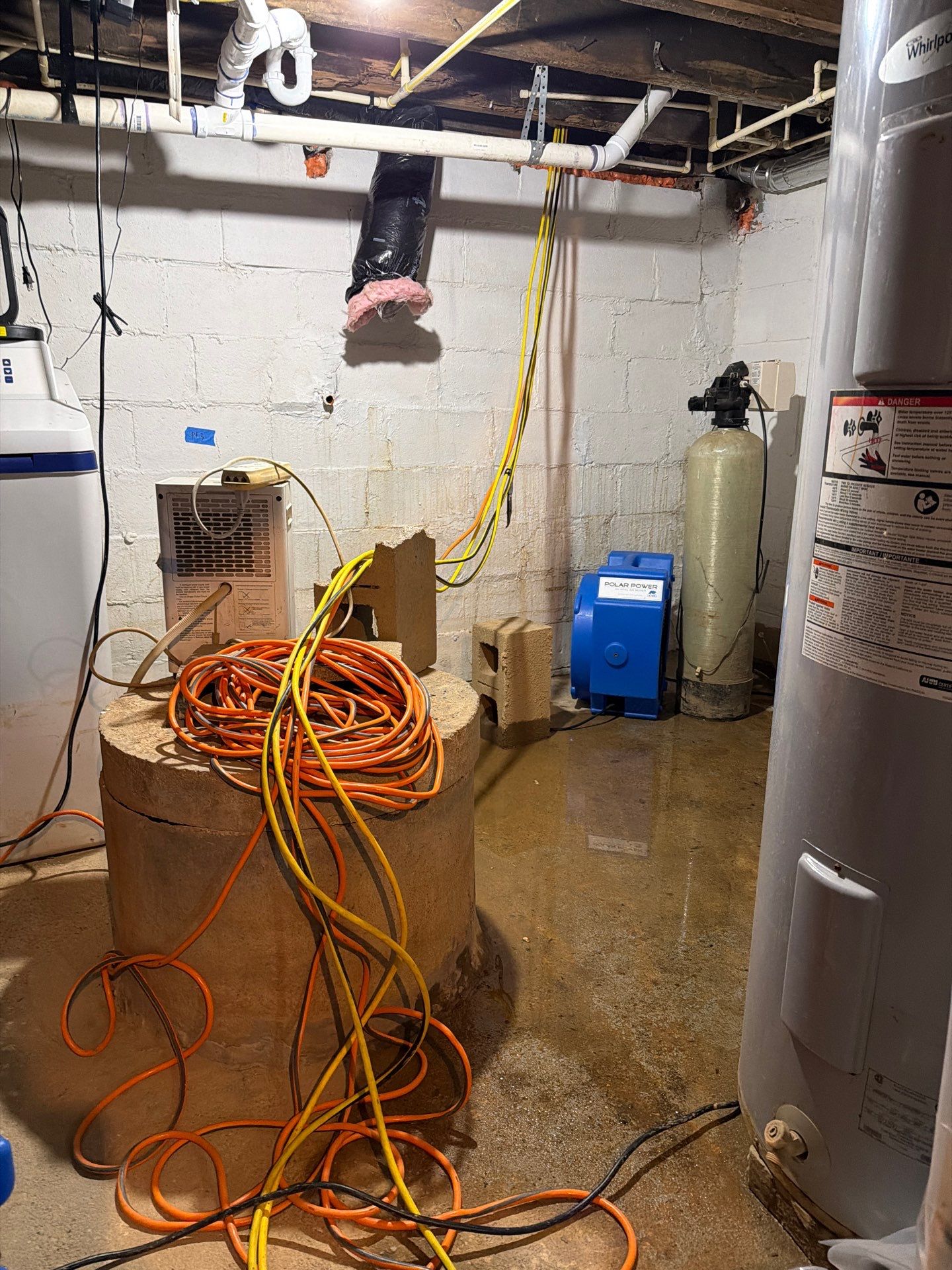
After extraction, we set air movers and commercial dehumidifiers to pull moisture out of the structure. Drying a typical burst pipe job in a Rocky Ripple home runs three to five days, depending on the materials involved and how much water entered the cavities. We monitor moisture readings daily and adjust equipment placement as the structure dries. You stay in the home during most jobs unless contamination, ceiling collapse risk, or major demolition makes that unsafe. When readings hit dry standard across all affected materials, we pull the equipment and walk you through the rebuild scope. The equipment is loud and runs continuously, so expect a steady hum in the work zone and a noticeable bump on your power bill for the week.
What if the burst happened while I was away?
Extended exposure is the hardest version of this call. Water that has sat for days has soaked deep into framing, spread to rooms you would not expect, and almost certainly started mold growth. We still respond the same way: stop the source, extract standing water, assess every affected area, and develop a plan that addresses both the water damage and any microbial contamination found. Our water damage restoration process is built to handle these worst case scenarios, and we will be honest with you about what can be saved and what cannot.
Should I try to remove the water myself?
If the spill is small and contained to a tile or vinyl surface, towels and a wet vac can handle it. If water has reached carpet, hardwood, drywall, or has traveled into a lower floor, professional extraction equipment is the only way to get the moisture out before it causes structural problems. Our truck mounted extractors pull water from carpet pad and subfloor at a rate household vacuums cannot match. We also use moisture meters and thermal imaging to find water that has migrated where you cannot see it, including the back side of base cabinets, the underside of stair stringers, and the bottom plate of interior walls where water tends to pool out of sight.